





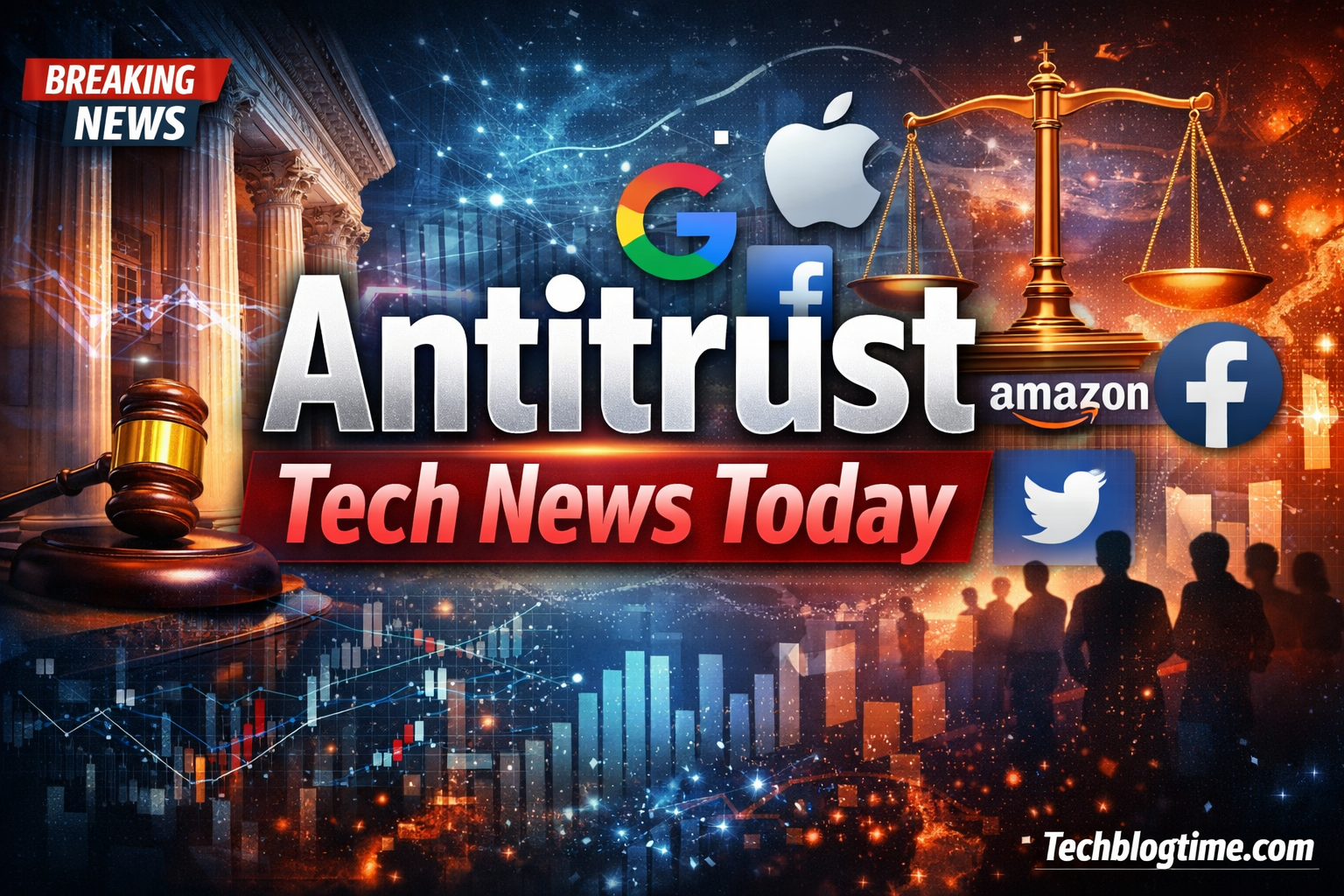
In today’s rapidly evolving digital landscape, the intersection of technology and antitrust law is more critical than ever. As tech giants continue to dominate the global economy, regulators are increasingly focused on ensuring that competition remains fair and that consumers aren’t harmed by monopolistic practices. This article will dive into the latest “Antitrust Tech News Today,” providing insights into the ongoing legal battles, regulations, and shifts in how technology companies are held accountable for their market power.
The Growing Importance of Antitrust in the Tech Industry
Antitrust laws, designed to promote competition and prevent monopolies, are not new. However, with the rise of technology giants like Google, Apple, Amazon, and Facebook, antitrust concerns have entered a new phase. The tech industry’s rapid growth and dominance in nearly every aspect of modern life have led to increased scrutiny from regulators around the world. The focus is on preventing these companies from using their influence to stifle competition and harm consumers.
Today, the tech world is witnessing a heightened level of antitrust enforcement, with government bodies like the Federal Trade Commission (FTC) and the European Commission actively investigating and taking action against big tech companies. From Google’s search dominance to Facebook’s acquisitions of competitors, antitrust laws are being applied more vigorously than ever before.
Key Antitrust Cases in the Tech Sector
Several significant antitrust cases in the tech industry are currently making headlines. These cases are shaping the future of the digital economy and could have lasting impacts on how technology companies operate.
Google’s Search Dominance and Alleged Anticompetitive Practices
One of the most prominent ongoing antitrust cases involves Google, the world’s most popular search engine. The company has long faced accusations of using its market dominance to suppress competition, particularly by favoring its own products in search results. In recent years, both the U.S. Department of Justice and the European Union have investigated Google for allegedly manipulating search algorithms to prioritize its own services over competitors, such as Yelp and TripAdvisor.
As the case progresses, questions surrounding Google’s role as a gatekeeper to the internet are at the forefront of the debate. If found guilty, Google could face hefty fines, and the case may lead to significant changes in how search engines operate.
Facebook’s Acquisition of Instagram and WhatsApp
Another high-profile antitrust case centers around Facebook’s acquisition of Instagram and WhatsApp. The U.S. Federal Trade Commission (FTC) has challenged Facebook’s acquisitions, arguing that they were part of a strategy to eliminate potential competitors and maintain its dominant position in social media. The FTC claims that these acquisitions stifled innovation and harmed competition in the social media space.
This case has far-reaching implications, as it could set a precedent for how future acquisitions by large tech companies are evaluated. If the court rules against Facebook, it could lead to forced divestitures or restrictions on future acquisitions in the tech industry.
Apple and Its App Store Monopoly
Apple has also been under scrutiny for its control over the App Store and its policies regarding app developers. Developers have long accused Apple of using its monopoly over iOS apps to charge exorbitant fees and impose restrictive rules. In one notable case, Epic Games, the developer of the popular game Fortnite, sued Apple for removing Fortnite from the App Store after the game introduced its own payment system to bypass Apple’s commission fees.
The case is ongoing, and its outcome could have significant implications for Apple’s control over the App Store. A ruling against Apple could force the company to allow more flexibility in its payment system and provide more freedom for developers.
Global Antitrust Action: A Growing Trend
While the U.S. has been at the forefront of antitrust enforcement, Europe has been particularly active in holding tech companies accountable. The European Union has launched several investigations into big tech companies, including Google, Amazon, and Apple, over concerns that they are violating EU competition rules. European regulators have imposed significant fines on these companies and have passed new laws aimed at curbing their power.
In 2020, the European Commission introduced the Digital Markets Act (DMA), a landmark piece of legislation aimed at regulating digital platforms. The DMA targets “gatekeeper” companies, such as Google and Facebook, and imposes strict rules to prevent anticompetitive behavior, including restrictions on self-preferencing and data usage. The DMA is expected to be fully implemented in the coming years and could serve as a model for other countries looking to regulate big tech.
The Role of Antitrust Laws in Promoting Innovation
One of the key goals of antitrust laws is to promote innovation by ensuring that no single company can dominate a market and stifle competition. In the tech industry, innovation is the lifeblood of progress. However, when a company holds a monopoly or exerts undue influence over a market, it can prevent smaller players from entering the market and stifling creativity.
The enforcement of antitrust laws helps create a more level playing field for smaller tech companies and startups. By curbing monopolistic behavior, antitrust laws encourage companies to innovate and offer better products and services, ultimately benefiting consumers.
Antitrust and Data Privacy: A New Frontier
Another significant area where antitrust and tech intersect is data privacy. As tech companies collect vast amounts of data on users, regulators are increasingly concerned about how that data is used and whether it gives these companies an unfair competitive advantage.
For example, Google’s dominance in search and digital advertising is partially built on its ability to collect and leverage user data. Similarly, Facebook uses its vast network of users to gather data that powers its advertising platform. This access to data raises questions about privacy, consent, and whether these companies are using their data collection practices to maintain their market dominance.
In response to these concerns, regulators are pushing for stronger data privacy laws, such as the General Data Protection Regulation (GDPR) in Europe. These laws aim to protect users’ privacy while ensuring that companies don’t use their data collection practices to gain an unfair advantage.
The Impact of Antitrust on Consumers
At its core, antitrust law exists to protect consumers by ensuring that companies compete fairly and that consumers have access to a variety of choices. When a single company dominates a market, it can raise prices, reduce the quality of products, and limit innovation.
For example, if Google were found guilty of suppressing competition in search, consumers could face reduced access to alternative search engines that may offer better features or privacy protections. Similarly, if Facebook’s acquisitions are deemed anticompetitive, it could stifle the development of new social media platforms that cater to specific niches or offer unique features.
By enforcing antitrust laws, regulators can help prevent these harms and create a more competitive marketplace that benefits consumers.
The Future of Antitrust in the Tech Industry
As the tech industry continues to grow and evolve, so too will the regulatory landscape. It’s clear that antitrust law will play an increasingly important role in shaping the future of technology. The challenges posed by big tech’s dominance are complex, and finding the right balance between promoting competition and allowing innovation will be key.
In the coming years, we can expect to see more antitrust cases, regulatory changes, and legislative action aimed at reigning in the power of tech giants. The outcome of these actions will have profound implications for the future of the tech industry, consumers, and the global economy.
Conclusion: The Road Ahead for Antitrust and Tech
The relationship between antitrust laws and the tech industry is one that will continue to evolve. As regulators take action against monopolistic practices and push for more competition, the tech giants are forced to adapt. While the road ahead may be filled with legal battles and regulatory hurdles, the ultimate goal is to ensure that the digital landscape remains open, innovative, and fair for all.
Antitrust tech news today is not just about holding companies accountable; it’s about shaping the future of the digital world. As we move forward, it’s clear that these developments will continue to impact how tech companies operate and how consumers interact with technology. Whether it’s through legal actions, new regulations, or evolving business practices, the future of antitrust in tech will be one to watch closely.
In summary, the ongoing antitrust actions against big tech companies are just the beginning of a broader movement aimed at ensuring fair competition in the digital space. As consumers and businesses alike continue to rely on technology in every aspect of life, it is essential to maintain a healthy and competitive digital environment. The headlines today are just a glimpse into a much larger conversation that will shape the digital landscape of tomorrow.